Writing My Self: Wearing My Heart on My Sleeve
LIFE WRITING@ WORDHOUSE
Wearing My Heart on My Sleeve in this Era of Life Writings
We live in a world that often gets vulnerability and vanity mixed up. For a long time, I felt stuck between "wearing my heart on my sleeve" and worrying if I was just being self-indulgent. But as our digital culture turns everyone into their own publisher, I’ve realized that writing from the "I" isn't a monologue—it’s a vital, almost political way of archiving our humanity. This is a reflection on me moving past the noise of the digital age toward a more truthful, shared dialogue.
“In a way, every story we tell is filtered through who we are, and who we are is shaped by the stories we tell.”
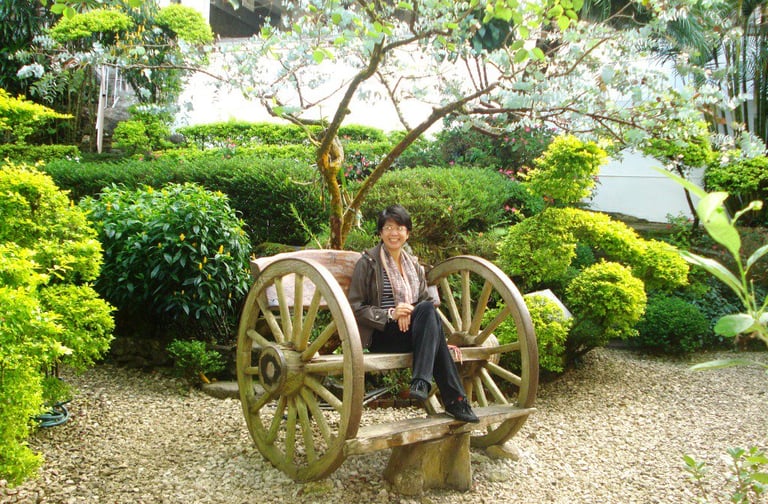
When I first started writing, people told me I focused too much on myself. A colleague once said I was always “wearing my heart on my sleeve.” They weren't wrong. My essays, poems, and even my university papers always seemed to find their way back to me, my memories, my doubts, and my deep-down questions.
I used to ask myself: Am I just being self-absorbed?
Later on, I realized that some of my early work was just me trying to look a certain way or hiding behind a mask. But eventually, I saw that writing from the “I” was my way of starting a conversation. As Keri Glastonbury says, we write through ourselves. Whether we mean to or not, we leave our fingerprints on every sentence.
Personality, Insight, and Finding an Honest Voice
“I just can’t seem to separate who I am from what I see.”
My writing has always been about feelings and real life. My book reviews aren't just summaries; they are places where I figure out what I’ve learned and how to use it. My poems and faith-based writing show a belief that is still growing and changing.
I try not to tell people what to do or how to think in my devotions. In the stories I’m working on now, I’m pulling from family memories and things we’ve shared. As I get older, I’m also writing about life as a senior, the real stuff like health, work, and money. I’ve found that this stage of life gives a unique view on writing our life story, navigating its challenges, and considering our legacy.
I own my point of view. I simply say: This is where I’m standing. This is how the world looks to me. I can’t pretend to be an outsider if I want to stay honest.
Personal Stories in a Digital World
“Everyone is publishing themselves these days…”
We live in a time where everyone is a biographer. Blogs, vlogs, reels, and newsletters are like public diaries. We share everything from what we ate for lunch to our biggest heartbreaks in real time.
We don't wait for an editor's permission anymore. We write ourselves into existence online, often discovering how to curate diaries and personal journals into stories that matter. This changes everything about being a writer and a reader.
I don’t feel guilty about writing about myself anymore. Things have changed. We are all helping to keep a digital record of what it means to be human. A long time ago, people left behind statues and tools. Today, we leave behind posts and archives. This is our digital footprint.
But the big questions stay: How do we value these lives? How do we really listen instead of just scrolling past stories as if they’re just data? The noise is everywhere, so we have to be very careful about how we show up.
Fiction and Writing from the Heart
“Maybe writing stories is a way of working through life in secret…” — Tom Cho
Sometimes, being honest means being wide open. Other times, we tell the truth through metaphors. Hiding yourself in a fictional character can actually let a deeper truth come out. Simple symbols and careful storytelling often say more than just blurting out the facts.
Writing about life isn't about oversharing; it's about finding the right way to show who you are.
Teaching, Reading, and the Power of Connection
As a teacher and a reader, I’ve learned that life writing is about relationships. When I read a memoir, I’m not just looking for info. I’m stepping into someone else’s life, something I often feel when I experience the joy of reading required Filipiniana reads.
But this connection only happens when I bring my own experiences to what I'm reading. In the digital world, our stories "talk" to each other. My journey might look like yours. My struggle with words might sound like someone else's. I'm not the only one learning here.
This means I have to be responsible. I can only talk about what I know. I shouldn't act like an expert on lives I haven't lived. My story is mine, but I have to keep my ears open to yours. The goal isn't to get likes or a pat on the back; it's to have a real conversation.
The Politics of Sharing Your Own Story
There is something powerful about publishing your own work through blogs or small newsletters. We aren't stuck behind "gatekeepers" anymore. For writers who don't fit into the big publishing world, the internet lets their lives be seen and saved.
I keep a blog for this very reason. It’s more than a project; it’s my small way of saving a piece of culture based on what I’ve lived through.
Writing “I” as an Act of Care
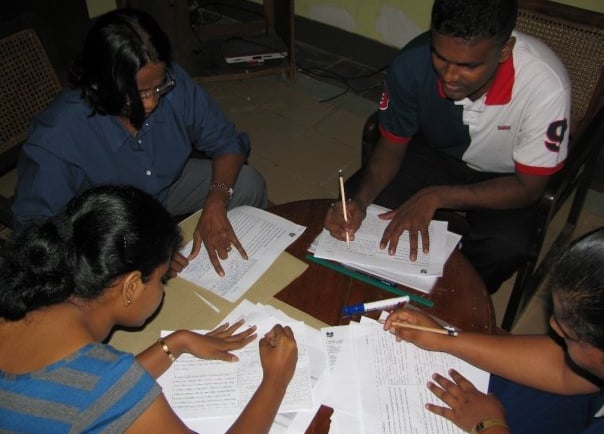
At WordHouse, my motto is: “I care about your ideas.” I want to listen closely to anyone using the word “I” to make sense of things. I don’t think humans were ever meant to just think in abstract theories. We learn by living and then looking back on it.
Every time I read a personal story, I have a choice: I can skim it, judge it, or truly listen. Every story is a piece of history, so I need to read slowly to respond with heart.
This is how I approach a story, like a friendship that asks for nothing back but respect. No life stands alone. Every “I” is part of a choir of other voices. My life isn't more special than anyone else's, but it’s the only one I can speak from to honor others.
Our present digital culture overflows with stories. The challenge for me as writer is not merely to speak louder, but to speak more truthfully. I'm not trying to build a self-monument; I'm merely attempting another bridge for more meaningful connections.
I invite you to explore these connections further at WordHouse, where we listen closely to the stories that make us human.
Tuloy Ka sa Marami Pang Pagkakataon na Magkuwento! If you’re interested in how else we connect with the digital world, I’d love for you to help us build our collection of Tagalog Expressions at TagaWika. Tuloy ka sa marami pang pagkakataon na magkuwento tungkol sa sarili!
Works Cited
Bakhtin, Mikhail. The Dialogic Imagination. University of Texas Press, 1981.
Cho, Tom. “Maybe Fiction-Writing Is Some Kind of Parallel Process.” Meanjin, 2011.
Glastonbury, Keri. “Writing the Self.” TEXT Journal, 2010.
Smith, Sidonie, and Julia Watson. Reading Autobiography. University of Minnesota Press, 2010.
Vivian, Bradford. Public Forgetting. Pennsylvania State University Press, 2010.